Maintaining a commercial space goes beyond mere aesthetics—it’s a strategic investment in the functionality, safety, and overall success of your business. In this in-depth blog, we will explore the nuances of commercial maintenance, discussing its importance, various service categories, and providing valuable tips to help you choose the right maintenance provider for your specific needs.
The Significance of Commercial Maintenance
1. Maximizing Efficiency
Efficiency is the backbone of a successful business. Regular maintenance ensures that your equipment, machinery, and facilities operate at peak performance. By implementing preventive measures, you minimize downtime, reduce the risk of unexpected breakdowns, and optimize the lifespan of your assets.
2. Cost Savings
While some may view maintenance as an expense, it is, in fact, a wise investment that can result in substantial cost savings over time. Regular upkeep reduces the likelihood of major repairs or the need for premature replacements.
3. Safety and Compliance
Ensuring a safe and compliant workspace is a legal and moral obligation. Regular maintenance not only prevents accidents but also helps your business adhere to industry regulations and standards.
4. Enhanced Reputation
The appearance and functionality of your commercial space speak volumes about your brand. A well-maintained facility creates a positive impression, instilling confidence in both employees and customers.
- Handy Hint #1: Implement a Preventive Maintenance Schedule – Create a detailed schedule for routine inspections and preventive maintenance tasks. This proactive approach can identify potential issues before they escalate, saving you both time and money.
- Handy Hint #2: Track Maintenance Costs and Savings – Maintain a record of your maintenance expenses alongside the cost savings achieved through preventive measures. This data not only justifies your investment but also helps in fine-tuning your maintenance strategy.
- Handy Hint #3: Conduct Regular Safety Audits – Regularly audit your premises for potential safety hazards. Addressing these issues promptly not only ensures compliance but also fosters a secure environment for employees and customers.
- Handy Hint #4: Showcase Your Commitment to Maintenance – Highlight your commitment to maintenance on your website, social media, and marketing materials. This not only attracts customers but also appeals to potential employees who value a well-managed work environment.
Types of Commercial Maintenance Services
1. Building Maintenance
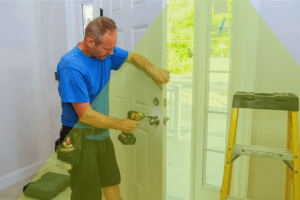
From structural integrity to essential systems like plumbing, electrical, and HVAC, building maintenance covers a broad spectrum. Regular inspections and timely repairs can prevent minor issues from becoming major headaches.
2. Grounds Maintenance
The exterior of your commercial property is the first thing people notice. Well-kept landscaping, clean parking lots, and properly maintained sidewalks contribute to a positive and inviting atmosphere.
3. Equipment Maintenance
For businesses relying on machinery and equipment, regular servicing is paramount. Whether you’re in manufacturing, logistics, or construction, keeping your equipment in top condition is essential for uninterrupted operations.
4. Janitorial Services
A clean and hygienic workspace is essential for the well-being of everyone in your commercial space. Janitorial services encompass everything from routine cleaning to waste management.
5. Security Systems Maintenance
In an age where security is a top priority, maintaining the functionality of your security systems is non-negotiable. CCTV cameras, access control systems, and alarms must be regularly inspected and updated.
6. Elevator and Escalator Maintenance
For multi-story buildings, the reliability of elevators and escalators is critical. Regular maintenance ensures the safety and efficiency of these systems.
7. Roof and Exterior Maintenance
The often-neglected areas of a commercial property, the roof, and exterior, require regular attention. Leaks and structural issues can be prevented with routine inspections and timely repairs.
- Handy Hint #5: Create a Building Maintenance Checklist – Develop a comprehensive checklist covering all aspects of building maintenance. This ensures that no crucial component is overlooked during routine inspections.
- Handy Hint #6: Invest in Sustainable Landscaping – Consider incorporating sustainable landscaping practices, such as water-efficient irrigation and native plant installations. This not only reduces environmental impact but can also lead to long-term cost savings.
- Handy Hint #7: Implement a Predictive Maintenance Strategy – Explore the possibilities of predictive maintenance technologies. By leveraging sensors and data analytics, you can anticipate equipment failures and address issues before they cause significant disruptions.
- Handy Hint #8: Foster a Cleanliness Culture – Encourage employees to take an active role in maintaining a clean workspace. This not only reduces the workload on janitorial staff but also creates a sense of ownership among team members.
- Handy Hint #9: Integrate Smart Security Solutions – Consider integrating smart security solutions that offer real-time monitoring and remote access. This enhances the overall security of your commercial space.
- Handy Hint #10: Schedule After-Hours Maintenance – To minimize disruption, schedule elevator and escalator maintenance during non-business hours. This ensures that your operations remain unaffected during peak times.
- Handy Hint #11: Invest in High-Quality Roofing Materials – When undertaking roof maintenance or replacements, invest in durable and energy-efficient materials. This not only extends the lifespan of your roof but can also result in energy savings over time.
Choosing the Right Commercial Maintenance Provider
Selecting the right maintenance provider is a decision that can significantly impact the efficiency and longevity of your commercial space. Consider the following factors when making this crucial choice:
1. Experience and Expertise
Look for a maintenance provider with a proven track record in your industry. Experience is key, especially when dealing with the specific challenges and requirements of commercial maintenance.
2. References and Reviews
Client testimonials and reviews offer valuable insights into the reputation and reliability of a maintenance provider. Take the time to research and gauge the experiences of previous clients.
3. Customized Solutions
Every commercial space is unique, and your maintenance provider should offer tailored solutions to address your specific needs. Avoid one-size-fits-all approaches that may not align with your business requirements.
4. Compliance and Certifications
Ensure that your chosen provider adheres to industry standards and possesses the necessary certifications. Compliance is crucial, especially in sectors with specific regulations governing commercial spaces.
5. Emergency Response
Emergencies can happen at any time. A maintenance provider should have a robust emergency response plan and be readily available to address urgent repairs.
6. Cost-Effective Pricing
While cost is a crucial factor, it should not be the sole determining factor. Seek transparent pricing structures that align with the scope of services provided.
- Handy Hint #12: Request Case Studies – Ask potential providers for case studies or examples of similar projects they’ve successfully completed. This provides tangible evidence of their expertise and capabilities.
- Handy Hint #13: Seek Recommendations from Peers – Connect with other businesses in your industry or locality to gather recommendations. Personal experiences can provide a more accurate picture of a maintenance provider’s performance.
- Handy Hint #14: Conduct a Site Visit – Invite potential maintenance providers to conduct a site visit. This allows them to assess your space firsthand and propose customized solutions based on its unique characteristics.
- Handy Hint #15: Verify Insurance Coverage – Confirm that the maintenance provider carries adequate insurance coverage. This protects both parties in case of accidents or damages during maintenance activities.
- Handy Hint #16: Inquire About Response Times – Ask about the provider’s average response times for emergency situations. A prompt response can mitigate the impact of unexpected issues on your operations.