Increasing the value of your home can be a rewarding endeavour, whether you’re planning to sell or just want to enhance your living space. However, many homeowners make common mistakes that can hinder their efforts. In this blog post, we’ll explore these pitfalls and provide valuable insights on how to avoid them.
Neglecting Curb Appeal:
One of the most common mistakes homeowners make is neglecting the importance of curb appeal. The exterior of your home is the first thing potential buyers or visitors see, and a shabby exterior can significantly devalue your property. Simple improvements, such as landscaping, fresh paint, and a well-maintained lawn, can go a long way in enhancing your home’s curb appeal.
Overspending on Renovations:
While renovations can increase the value of your home, overspending on them is a common mistake. Homeowners often get carried away with extravagant upgrades that may not yield a significant return on investment. It’s crucial to research and prioritise renovations based on the current market trends and the specific needs of your property.
Ignoring Energy-Efficient Upgrades:
In today’s environmentally conscious world, energy-efficient features are highly valued by homebuyers. Unfortunately, some homeowners overlook the potential of incorporating energy-efficient upgrades. Installing energy-efficient windows, appliances, and lighting not only adds value to your home but also saves on utility costs in the long run.
Skipping Professional Inspections:
Homeowners might be tempted to skip professional inspections to save money, especially when planning to sell. However, this is a critical mistake. Hidden issues like plumbing or electrical problems can significantly decrease your home’s value. A professional inspection can identify these issues early on, allowing you to address them before they become deal-breakers during a sale.
Ignoring Regular Maintenance:
Routine maintenance is often overlooked as homeowners focus on larger-scale renovations. However, neglecting regular maintenance tasks can lead to more significant issues down the line. A leaky roof, plumbing problems, or a faulty HVAC system can not only decrease your home’s value but also make it less appealing to potential buyers.
Personalising Too Much:
While it’s natural to want your home to reflect your personal style, excessive personalization can be a mistake when trying to increase its value. Bold and unique design choices may not resonate with everyone, potentially limiting your pool of potential buyers. Aim for a neutral and timeless aesthetic that appeals to a broader audience.
Overlooking the Importance of Space:
Space is a valuable commodity in real estate. Some homeowners make the mistake of overcrowding rooms with excessive furniture or clutter, making them appear smaller than they actually are. Consider decluttering and strategically arranging furniture to create an open and inviting atmosphere, emphasising the space available.
Focusing Solely on Aesthetics:
While aesthetic improvements are essential, focusing solely on appearance and neglecting structural issues can be a costly mistake. A new coat of paint won’t compensate for a leaky roof or faulty plumbing. Prioritise repairs and structural upgrades to ensure your home’s foundation is solid before investing in cosmetic enhancements.
DIY Gone Wrong:
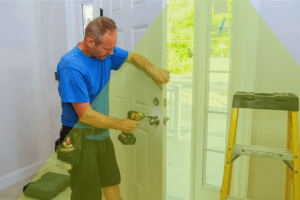
Many homeowners take on do-it-yourself (DIY) projects to save money, but if not done correctly, DIY efforts can end up costing more in the long run. Poorly executed projects can decrease your home’s value and create safety hazards. If you lack the necessary skills, it’s often better to hire professionals to ensure quality workmanship.
Setting an Unrealistic Asking Price:
When selling a home, setting an unrealistic asking price is a common mistake that can hinder the selling process. Overpricing can discourage potential buyers and lead to a stagnant listing. Research the local real estate market and consult with real estate professionals to determine a fair and competitive asking price.
Neglecting the Neighbourhood:
Your home doesn’t exist in isolation; its value is also influenced by the neighbourhood. Neglecting the surrounding area can be a mistake. Consider the quality of schools, nearby amenities, and the overall neighbourhood ambiance. A well-maintained neighbourhood can positively impact your home’s value, while a declining or unsafe area can have the opposite effect.
Failing to Plan for the Long Term:
Some homeowners focus on short-term improvements without considering the long-term impact on property value. Trends and buyer preferences change over time, and it’s essential to invest in upgrades that will stand the test of time. Prioritise improvements that are likely to remain attractive and functional for years to come.
…………….
Increasing the value of your home requires careful planning, attention to detail, and a realistic understanding of your property’s strengths and weaknesses. By avoiding these common mistakes, homeowners can make strategic decisions that not only enhance their living space but also contribute to long-term property value growth. Remember, the key is to strike a balance between aesthetics, functionality, and market trends to maximise the return on your investment.